In your gardening journey, knowing the ideal planting times for hot peppers based on your specific zone can make all the difference in the success of your harvest. Each zone presents its own unique challenges and opportunities when it comes to cultivating these fiery plants. Understanding when to sow your seeds or transplant your seedlings can determine the growth, yield, and overall health of your hot pepper plants. So, whether you’re a seasoned gardener or just starting out, grasping the nuances of planting times by zone is a crucial step towards a bountiful pepper harvest.
Zone 3-4: Starting Seeds Indoors on Valentines Day
Start planting your hot pepper seeds indoors on Valentines Day in Zone 3-4 for optimal fruiting results. To ensure successful indoor growth, consider using grow lights, such as LED Full Spectrum lights, to provide sufficient light for your hot pepper seedlings.
For enhanced germination and root development, utilize a seedling heat mat, especially beneficial for hotter pepper varieties. Covering your hot pepper seedlings with a humidity dome until germination will create the perfect environment for them to thrive.
By starting your seeds indoors at this time, you allow the seedlings to focus on flowering rather than foliage production, leading to better fruiting outcomes. This early start will give your hot peppers the necessary time to establish themselves before being transplanted outdoors after the last frost date.
Following these steps will set your hot pepper plants up for success and ensure a bountiful harvest of spicy peppers in the coming season.
Zone 6: Transplanting After Last Frost Date

After the last frost date has passed in Zone 6, it’s time to transplant your hot pepper seedlings outdoors for optimal growth. In Zone 6, the last frost date typically occurs in mid to late spring. It’s crucial to wait until after this date to transplant your hot pepper seedlings, as planting them before could put them at risk of cold damage due to potential frost.
To ensure the best growth for your hot pepper plants in Zone 6, monitor local weather patterns and frost advisories. By keeping an eye on these factors, you can determine the ideal time for transplanting your hot pepper seedlings outdoors. Remember, transplanting after the last frost date reduces the risk of cold damage and sets your plants up for successful growth in Zone 6.
Zone 10: Growing Peppers Successfully
Now that your hot pepper plants are thriving in the warm climate of Zone 10, let’s explore how to ensure their successful growth for a bountiful harvest.
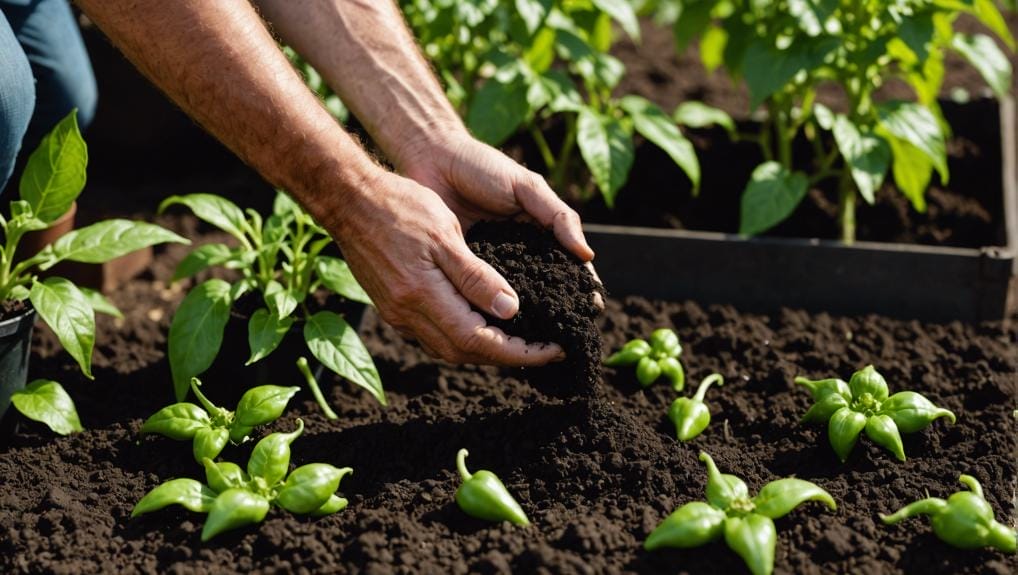
In Zone 10, hot peppers can be grown year-round, benefiting from the mild winters that provide an ideal environment for them to thrive. To achieve a plentiful harvest, it’s essential to plant your hot peppers in early spring, ensuring they’ve ample time to establish themselves.
Hot peppers in Zone 10 require well-draining soil to prevent waterlogging and consistent watering to support their growth. Additionally, gardeners in Zone 10 can enjoy a continuous supply of hot peppers by practicing succession planting throughout the growing season, allowing for a steady production of these spicy delights.
Canada & Northern Regions: Seed Starting Time
Considering the unique climate challenges in Canada & Northern Regions, initiating hot pepper seedlings around Valentine’s Day in Zone 3-4 allows for 8-12 weeks of indoor growth before transplanting. Starting hot pepper seeds at this time ensures that seedlings focus on flowering rather than foliage production.
To support their growth indoors, utilize grow lights like LED Full Spectrum for efficient lighting. For optimal germination and root development, consider using a seedling heat mat. Especially for hotter pepper varieties, covering the seedlings with a humidity dome until germination can be beneficial.
Pots Vs. Ground: Growing Hot Peppers
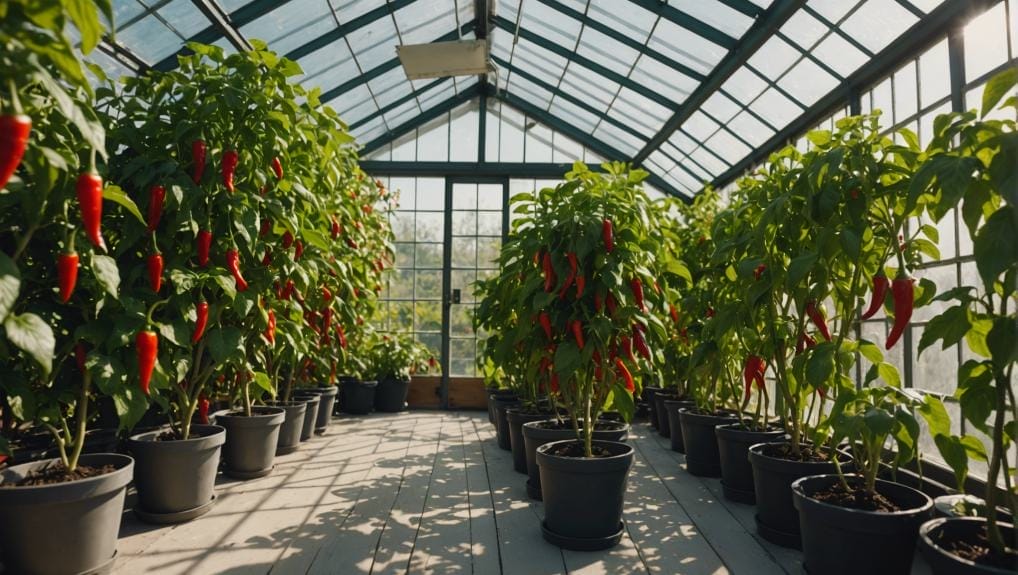
In colder climates like zones 3-4, growing hot peppers in containers is preferred over planting them directly in the ground due to the resulting better fruit production. Hot peppers thrive in containers in colder regions because excessive root growth in the ground can impede fruit production.
Container-grown hot peppers have been shown to flower and fruit earlier, leading to bountiful harvests. The effectiveness of growing hot peppers in containers in cold climates is well-documented, with earlier yields being a significant advantage.
When you opt for growing hot peppers in pots, you ensure that the plants receive the right amount of warmth and protection from harsh weather conditions. Additionally, container gardening allows for better control over soil quality and drainage, promoting healthier plant growth.
Conclusion
In conclusion, knowing the ideal planting times for hot peppers in your specific zone is crucial for a successful harvest.
By starting seeds indoors on Valentines Day in Zone 3-4, transplanting after the last frost date in Zone 6, planting in early spring in Zone 10, and starting seeds in Canada and northern regions, you can ensure thriving hot pepper plants.
Whether in pots or in the ground, following these guidelines will lead to a bountiful pepper harvest.