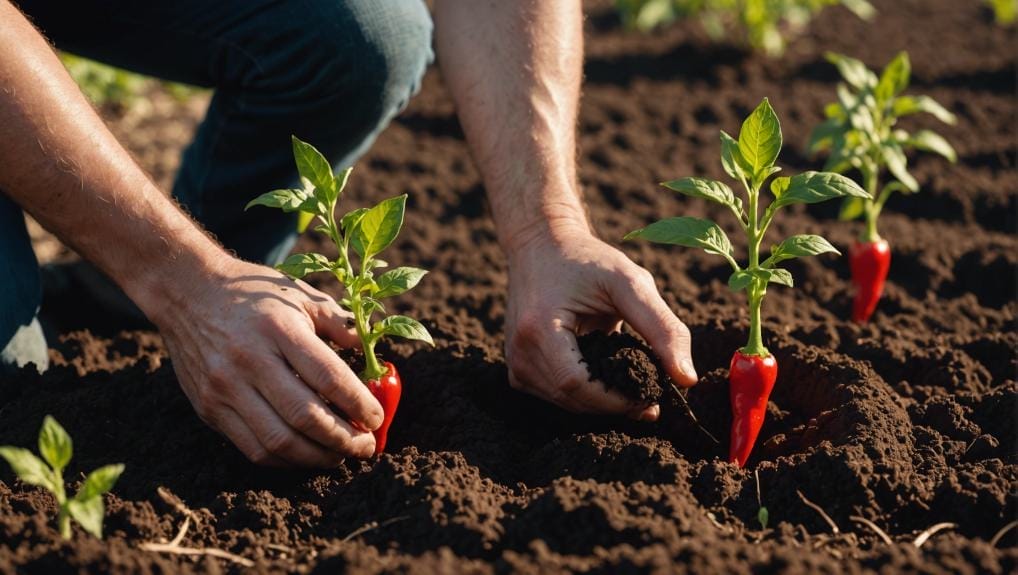
If you want to elevate your garden game and savor the rewards of a thriving pepper patch, planting hot peppers in early spring is a strategic move. The advantages of starting your pepper plants early extend beyond just a longer growing season. By taking advantage of the warm soil and ample sunlight, you set the stage for robust growth and flavorful outcomes. But there’s more to it than just that – the early spring planting timeline sets the foundation for a successful pepper harvest, ensuring your garden will be a source of culinary delight and pride.
Benefits of Early Spring Planting
By planting hot peppers in early spring, you can maximize your yield and enjoy a longer growing season. Hot peppers thrive when planted early as they benefit from the warm soil and abundant sunlight during this time. This ideal environment promotes the development of strong root systems, which are crucial for the overall health and productivity of the plants.
When hot peppers are planted in early spring, they’ve ample time to grow, flower, and fruit. This extended period allows for a bountiful harvest later in the season. By starting early, you give your hot pepper plants the opportunity to establish themselves fully, resulting in robust growth and a higher yield of peppers for you to enjoy.
Moreover, planting hot peppers in early spring is a strategic move for gardeners in colder regions like Canada. It enables them to maximize their growing season, ensuring that they can savor fresh peppers sooner than if they were planted later in the year. So, get a head start on your hot pepper garden in early spring for a fruitful and rewarding harvest.
Longer Growing Season Advantage

Maximizing the growing season for hot peppers planted in early spring enhances their potential yield and overall productivity. Planting hot peppers early allows for a longer growing season, giving the plants more time to develop and mature.
This extended period enables hot pepper plants to establish strong root systems and healthy foliage before the peak of summer heat. Additionally, hot peppers require warm soil temperatures for optimal growth, making early spring the perfect time to start them indoors for later transplanting into the garden.
Strong Seedling Establishment

Starting hot peppers in early spring ensures robust and resilient seedling establishment, setting the stage for vigorous growth and abundant fruit production. When you plant hot peppers early, you give them the time they need to develop strong roots before transplanting. This early start in spring is crucial for promoting healthy root development in your hot pepper seedlings. By providing them with adequate time to establish themselves, you’re ensuring that they’ll grow into robust plants capable of withstanding outdoor conditions. This gradual adjustment to the outside environment is essential for the overall success of your hot peppers.
The strong seedling establishment that occurs in early spring is key to fostering robust growth in your hot pepper plants. These well-established seedlings are more likely to exhibit vigorous growth throughout the season, leading to abundant fruit production. By starting your hot peppers early, you’re laying the foundation for a bountiful harvest later on.
Disease-Resistant Variety Selection

To enhance the resilience of your hot pepper plants against common diseases, prioritize selecting disease-resistant varieties when planning your early spring planting. Disease-resistant peppers are specially bred to withstand specific pathogens that often affect pepper plants. By choosing disease-resistant pepper varieties, you can minimize the risk of infections and reduce the need for chemical treatments or interventions. When selecting your pepper varieties, check seed catalogs or plant labels for information on disease resistance to ensure a healthier and more successful pepper garden.
Planting disease-resistant peppers in early spring can provide a strong defense against common pepper diseases, giving your plants a better chance to thrive. These varieties offer a proactive approach to plant health and can contribute to a more robust pepper harvest. By incorporating disease-resistant pepper varieties into your garden, you can set yourself up for a successful growing season. Remember, prevention is key when it comes to managing pepper diseases, and choosing the right varieties is a crucial step in this process.
Proper Soil Preparation Importance

Why is proper soil preparation in early spring crucial for the success of your hot pepper plants?
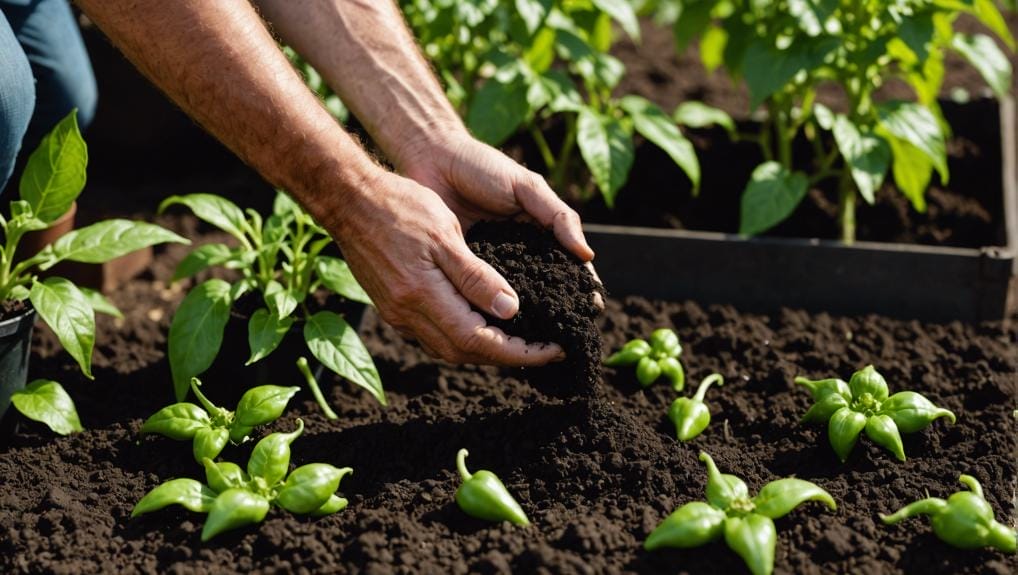
Soil preparation plays a vital role in ensuring optimal conditions for your hot pepper plants to thrive. By preparing the soil early, you set the stage for adequate nutrient availability, essential for the plants’ growth and productivity.
Proper soil preparation also helps maintain the soil structure and drainage, which are crucial for healthy root development. Incorporating organic matter during soil preparation promotes microbial activity, aiding in nutrient uptake by your hot pepper plants.
Additionally, well-prepared soil in early spring enhances water retention capacity, reducing the risk of drought stress. Monitoring and adjusting soil pH levels during preparation contribute significantly to the overall health and vigor of your hot pepper plants.
Therefore, investing time and effort in soil preparation during early spring sets the foundation for robust growth and bountiful harvests of hot peppers.
Thriving in Warmer Temperatures

Thriving in warmer temperatures, hot peppers require a minimum of 21°C to successfully set fruit. When hot pepper plants are exposed to these warmer conditions, they experience rapid germination and early flowering. This early spring advantage sets the stage for a longer growing season, allowing you to cultivate various hot pepper varieties and enjoy bountiful harvests. By planting your hot pepper plants early, you give them the best chance to mature and produce fruit before the first fall frost hits.
The warmer temperatures in early spring also benefit the growth of hot pepper plants by providing them with the ideal environment to thrive. With the right conditions, your hot pepper plants will flourish, resulting in healthy and productive crops. So, make sure to take advantage of the warmer temperatures to grow your hot peppers successfully. Remember that setting your plants in the ground before the last frost date will help them establish and start flowering earlier, ultimately leading to a more abundant harvest.
Flavorful Garden Additions

By exploring flavorful garden additions, you can enhance your culinary experiences and elevate your dishes with vibrant and spicy hot peppers grown in early spring. Planting hot peppers during this time ensures they develop robust root systems, leading to optimal growth and abundant fruit production. The longer growing season in early spring allows hot peppers to yield larger and more flavorful fruits, enriching your dishes with their spicy kick.
The warm soil and increasing daylight hours in early spring create the perfect environment for hot peppers to thrive, intensifying their flavors. Starting your hot peppers early gives you a head start on the growing season, guaranteeing a generous supply of fresh and zesty peppers for your culinary creations. Imagine the burst of flavor these early spring hot peppers will bring to your meals, adding a touch of spice and vibrancy that will truly make your dishes stand out.
Culinary Creations Enhancement

To enhance your culinary creations, consider incorporating the vibrant and spicy flavors of hot peppers grown in early spring. Planting hot peppers during this time allows them to establish strong roots and maximize fruit production throughout the growing season. These plants thrive in optimal growing conditions, benefiting from ample sunlight and warm temperatures.
By starting early, you can enjoy a longer harvesting period, ensuring a steady supply of peppers for cooking and preserving. Early spring planting sets the stage for a successful growing season, providing home chefs with a versatile and spicy ingredient for various dishes.
The peppers cultivated in the spring will offer a fresher and more robust flavor profile, elevating your culinary creations to new heights. So, get ready to spice up your dishes with homegrown hot peppers and savor the delicious results of your early spring planting efforts.
Maximizing Harvest Potential
Consider how you can further increase your yield by implementing smart planting techniques for hot peppers in early spring to maximize your harvest potential.
Planting hot peppers during this time allows for the peak growing season, ensuring optimal conditions for fruit development. The early start also provides the plants with a longer period to establish strong root systems, leading to healthier and more productive pepper plants.
By getting a head start in early spring, you can anticipate an earlier harvest, giving you a more extended window to enjoy your fresh peppers. Taking advantage of the warm soil and longer daylight hours during early spring sets the stage for a successful yield.
With careful planning and timely planting, you can make the most out of the growing season and increase the overall productivity of your hot pepper plants. Don’t miss the opportunity to enhance your harvest by starting your hot pepper planting early this spring.
Conclusion
So, why wait? Plant your hot peppers in early spring to take advantage of the warm soil, abundant sunlight, and longer growing season.
By starting early, you can promote strong root systems, healthy foliage, and robust seedling establishment for a bountiful harvest.
Don’t miss out on the opportunity to maximize your yield, enhance your culinary creations, and enjoy flavorful garden additions.
Get planting now for a successful hot pepper growing season!