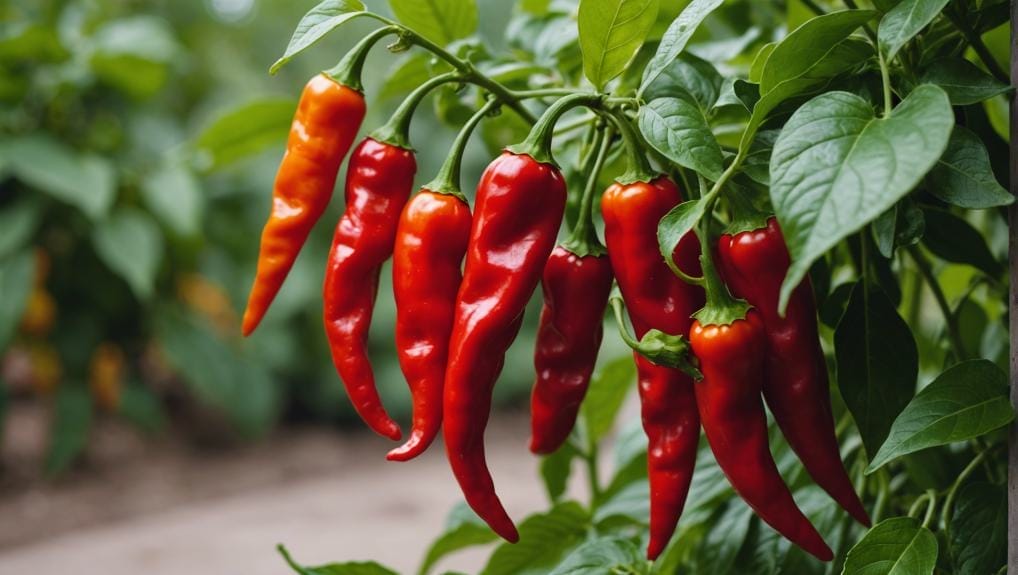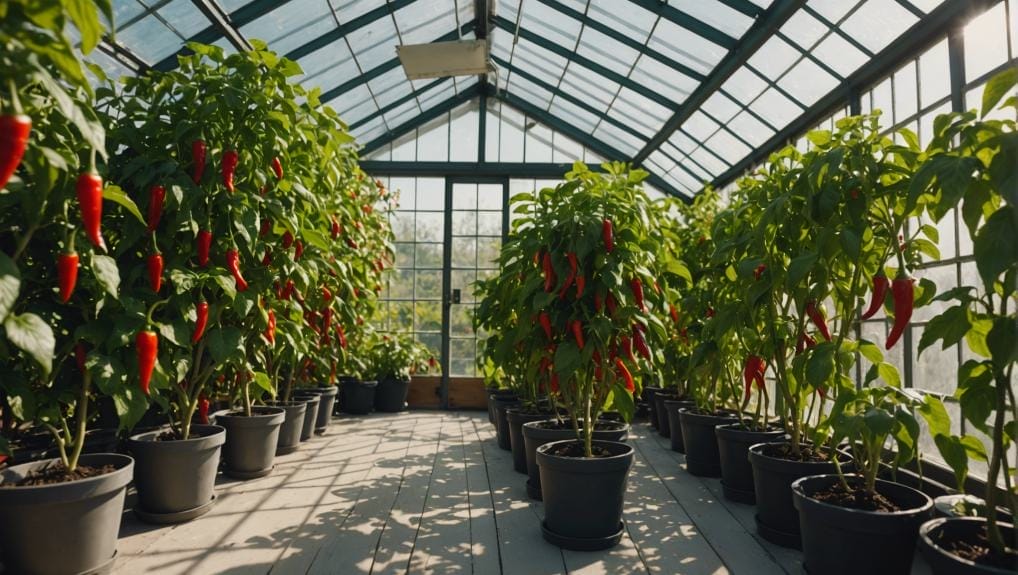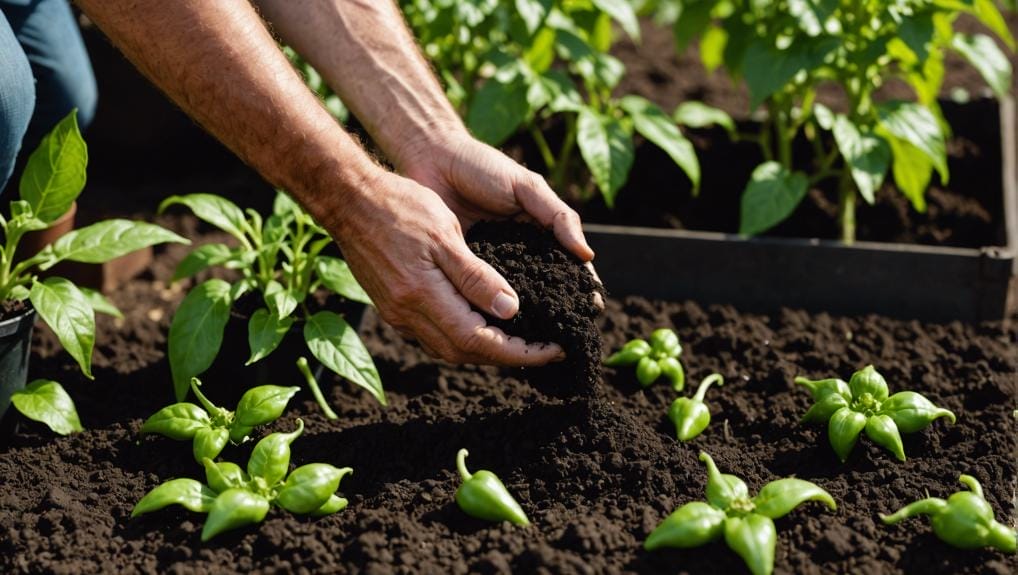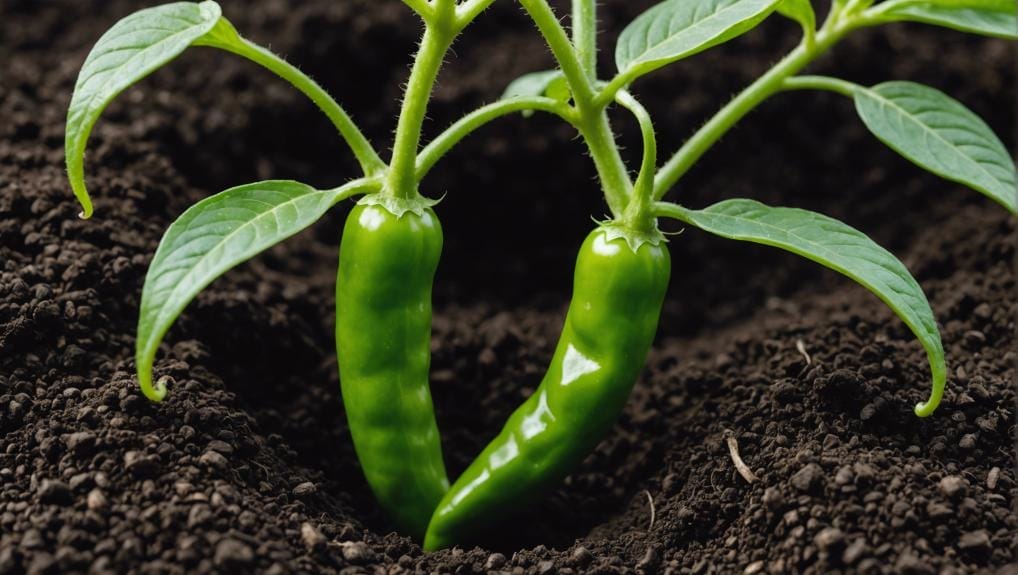
With a plethora of soil options available, you might wonder why opting for this specific mix is crucial for your hot pepper plants. The blend of peat moss, topsoil, composted manure, and pH adjustments offers a balanced combination that caters to the unique needs of hot peppers. But what sets this mix apart from the rest? What advantages does it bring to the table that make it the preferred choice for cultivating fiery peppers? Let’s explore the reasons behind this soil mix’s popularity and the benefits it offers to your hot pepper plants.
Benefits of Using Peat Moss
Peat moss enhances the soil structure for hot pepper plants by improving aeration and water retention. When incorporated into a soil mix for hot peppers, peat moss plays a crucial role in providing the ideal growing conditions. Its slightly acidic pH aligns well with the needs of hot peppers such as jalapenos and habaneros, ensuring they thrive.
Additionally, peat moss is abundant in organic matter, offering essential nutrients that support the healthy growth of pepper plants. By using peat moss in the soil mix, you aren’t only enhancing nutrient availability but also promoting optimal root development. This organic matter helps prevent nutrient leaching, guaranteeing that your hot peppers receive the necessary minerals to flourish.
Importance of Topsoil in Mix

Including topsoil in your soil mix for hot peppers is essential for providing crucial nutrients and creating a healthy growing environment. Topsoil plays a vital role in supplying essential nutrients such as nitrogen, phosphorus, and potassium, which are necessary for the optimal growth of pepper plants.
Moreover, topsoil contributes to the overall soil structure, enhancing water retention and drainage, factors crucial for plant health. This type of soil contains beneficial microorganisms that support plant growth and overall health, creating a balanced ecosystem in which your hot peppers can thrive.
The organic matter present in topsoil aids in nutrient absorption by the plants, facilitating robust root development. By incorporating topsoil into your soil mix, you can improve soil fertility, ensuring that your hot peppers have access to the necessary resources for successful growth and bountiful harvests.
Nutrient-Rich Composted Manure

To enrich your hot pepper soil mix further, consider incorporating nutrient-rich composted manure.
Composted manure is packed with essential nutrients such as nitrogen, phosphorus, and potassium, crucial for promoting healthy pepper growth.
Not only does it provide these vital nutrients, but it also improves soil structure by aiding in water retention and drainage, which is beneficial for optimal root development.
By enhancing soil fertility, composted manure offers a sustainable source of organic matter that supports long-term pepper cultivation.
Its slow-release nature ensures a steady supply of nutrients to pepper plants throughout the growing season, contributing to robust foliage growth, flower production, and fruit development.
The nutrient profile of composted manure plays a significant role in the overall health and productivity of hot pepper plants.
Incorporating this nutrient-rich organic material into your soil mix can lead to thriving hot pepper plants with vigorous growth and abundant yields.
Maintaining Proper Ph Levels

Maintaining the ideal pH range for hot peppers is essential for achieving optimal growth and fruit production. Hot peppers thrive in soil with a pH level between 6.0 and 7.0. This range ensures proper nutrient uptake, which is crucial for overall plant health.
Moreover, soil acidity directly influences not only the flavor of the peppers but also their heat levels and resistance to diseases. By regularly testing and adjusting the soil pH, you can tailor the growing conditions to suit the specific pepper varieties you’re cultivating.
When the pH levels are within the recommended range, hot peppers develop a more robust flavor profile, making them spicier and more flavorful. Therefore, by maintaining the proper soil pH, you aren’t only promoting fruit production but also enhancing the taste and quality of your hot peppers.
Enhancing Nutrient Absorption
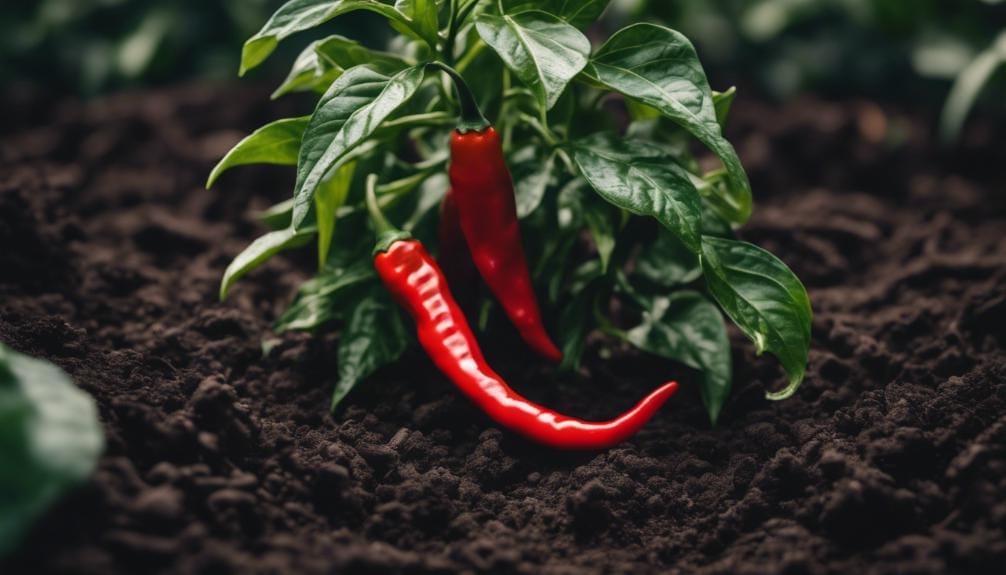
Enhance the nutrient absorption of your hot pepper plants by incorporating a balanced soil mix rich in essential elements like calcium, nitrogen, and phosphorus. The inclusion of pelletized limestone in the soil mix plays a crucial role in balancing pH levels, which is essential for optimal nutrient uptake by pepper plants.
Moreover, the presence of nutrient-rich composted manure in the mix enhances soil fertility, leading to improved nutrient absorption for hot peppers.
Proper nutrient absorption is vital for ensuring healthy growth, optimal fruit development, and overall productivity of hot pepper plants. By enhancing nutrient absorption through the use of this specialized soil mix, you can support vigorous plant growth, enhance disease resistance, and ultimately increase yields of flavorful hot peppers.
Conclusion
So, if you want to grow flavorful and spicy hot peppers with increased yields, this soil mix is the way to go. With peat moss for improved soil structure, topsoil for essential nutrients, composted manure for enriched soil, and proper pH levels for optimal growth, your hot pepper plants will thrive.
Don’t hesitate to use this comprehensive soil mix for healthy growth, fruit development, and high productivity of your hot peppers.